
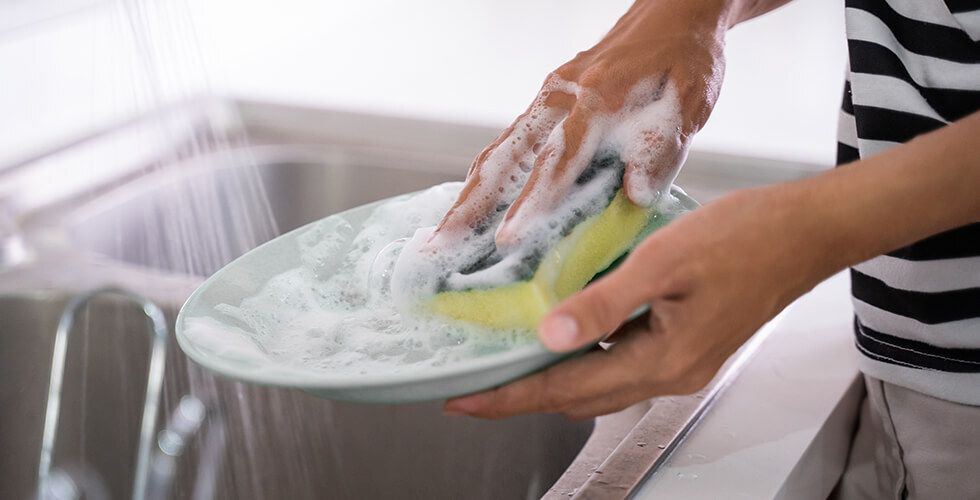
Your kitchen sponge may look innocent, but it’s one of the dirtiest items in your home. That soft, squishy square you use to scrub dishes is a breeding ground for bacteria, and if you’re not replacing it regularly, you could be spreading germs every time you clean.
So, how often should you toss it? Experts recommend replacing your kitchen sponge every 1 to 2 weeks. Yes, that often.
Why? Sponges remain damp and collect tiny food particles, creating an ideal environment for bacteria like E. coli and Salmonella to thrive. One study published in Scientific Reports found that kitchen sponges can harbor up to 362 different types of bacteria, making them filthier than a toilet seat.
If that’s not enough to make you rethink your cleaning routine, consider this: rinsing your sponge isn’t enough. Even microwaving or boiling them—which may kill some bacteria—doesn’t eliminate the risk. Over time, bacteria adapt, and the sponge’s porous structure becomes harder to disinfect effectively.
To stay on the safe side:
- Replace your sponge every week or every other week.
- Use separate sponges for dishes and counters.
- Let it dry completely between uses.
- Disinfect daily, if you want to stretch its life (microwave it wet for 1 minute or soak in a vinegar solution).
Or consider switching to alternatives like silicone scrubbers or washable dishcloths, which dry faster and are easier to sanitize.
If your sponge smells funky, feels slimy, or looks worn out, it’s time to let it go. A clean kitchen starts with clean tools, and a fresh sponge is one of the simplest ways to protect your family’s health.