
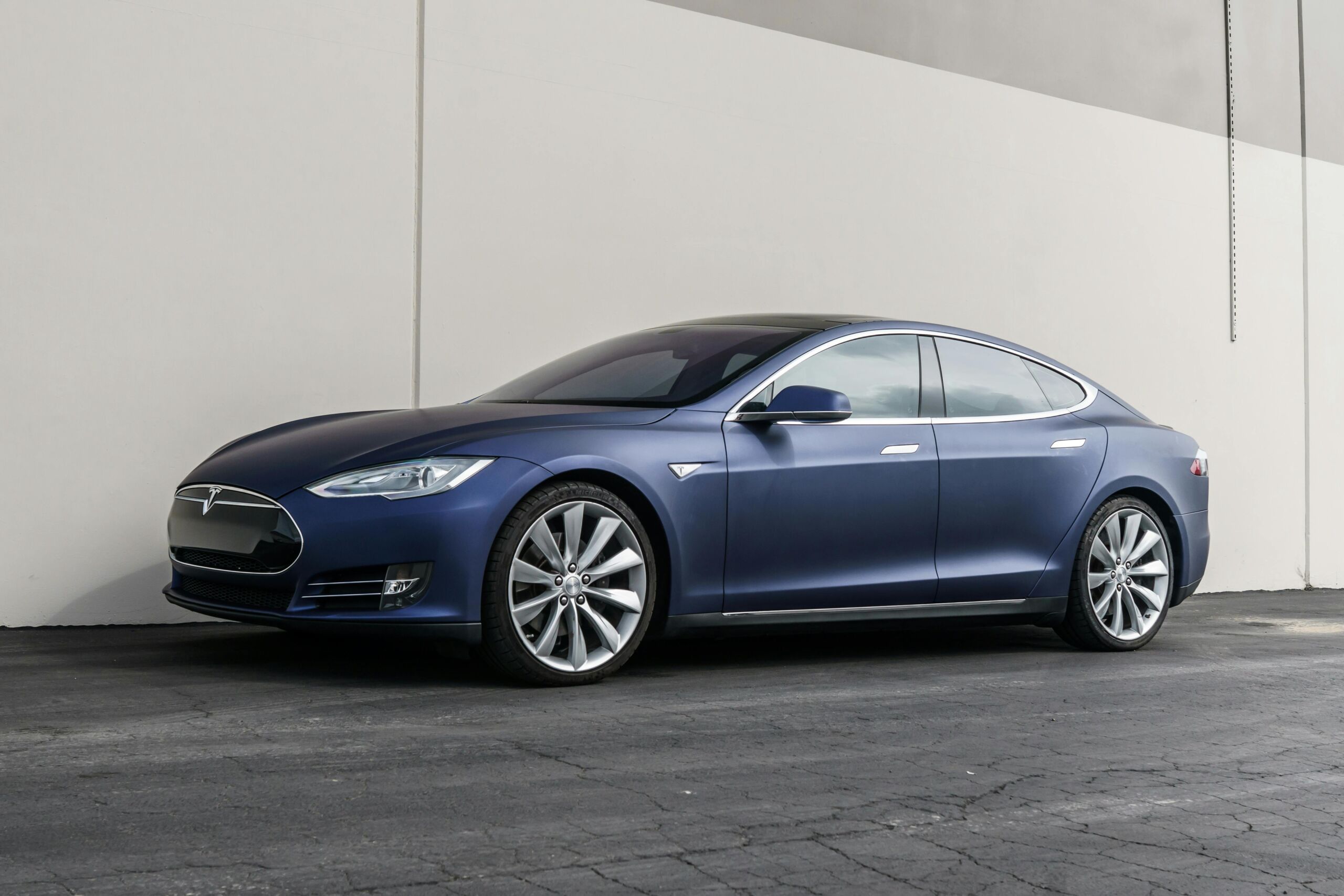
If you have watched Tesla’s stock whiplash this year, you are not alone. Shares surged and flipped positive for 2025 after disclosures that Elon Musk purchased roughly $1 billion of Tesla stock in the open market. The move arrived after months of pressure on the name and quickly reset investor sentiment from defensive to more constructive. For a company that anchors many index funds and retail portfolios, the signal was hard to miss. It put the focus back on confidence and long-term vision rather than only near-term headwinds.
Immediate market reaction
Tesla rallied sharply intraday as traders digested the filing and recalibrated expectations. Trading volume spiked as both retail and institutional investors piled in, while options activity and short-covering likely amplified the move. By the close, the stock had turned positive for the year, a psychological shift that can influence momentum strategies. Strength in Tesla lifted other EV and growth-adjacent names, helping broader indices given Tesla’s sizable index weight. The ripple effect underscored how one of the market’s bellwethers can shape risk appetite beyond a single ticker.
What Musk’s purchase signals
A CEO adding about $1 billion of personal capital is a rare and powerful vote of confidence. It suggests Musk views current valuations as attractive relative to Tesla’s long-term roadmap. The buy also helps counter questions about his focus and capital allocation after prior stock sales tied to the acquisition of X and expansion of AI ventures. Insider alignment matters to many investors who weigh governance and strategy alongside growth narratives. The purchase pushes those conversations toward commitment rather than distraction.
Tesla’s setup before the pop
Before the surge, shares had lagged amid a confluence of pressures. Global EV competition, especially from China, intensified demand and pricing challenges that weighed on margins. Price cuts and a changing product mix narrowed profitability and sharpened scrutiny of delivery trends by region. Uncertainty around autonomy monetization, including FSD and potential robotaxi plans, added to debate about timelines and regulatory paths. Mixed views on the Cybertruck ramp, next-generation vehicle strategy, and the roadmap for a lower-cost model kept investors split between software believers and auto fundamentals purists.
What was actually bought
Regulatory filings indicate the purchase totaled approximately $1 billion, acquired in the open market over a short period. The buy raises Musk’s personal stake only marginally in percentage terms, yet the symbolism is notable given prior selling. There is no indication of a related capital raise, which signals this was a direct confidence buy rather than corporate issuance. The clean structure matters for perception because it avoids dilution and points to an owner-operator leaning in. For investors, the simplicity of the transaction reduces guesswork about motive.
Why the market moved so fast
Insider buys of this size are rare for a mega-cap, and markets often treat them as high-conviction signals. The news can trigger re-rating mechanics, from short-covering to systematic momentum flows, that add fuel to the initial spike. It also invites investors to give more credit to autonomy and AI optionality in valuation frameworks. Many had applied a commitment discount to Tesla tied to governance questions and executive bandwidth. The purchase reduces that discount for now and raises the bar for bearish narratives.
What bulls and skeptics see
The bullish case argues software and services, including FSD subscriptions, can expand margins and create recurring revenue that diversifies Tesla beyond the auto cycle. Energy storage and grid solutions continue to scale, with Megapacks offering a second leg of growth that can smooth earnings. Bulls also see a stronger setup for upcoming catalysts such as product updates, autonomy milestones, and earnings. Skeptics counter that insider buying does not change delivery trajectories, competitive pricing, or near-term margin compression. They note that valuation remains demanding, autonomy timelines have slipped before, and regulatory hurdles are still significant.
Key checkpoints for the next quarters
Investors will watch delivery volumes across China, the United States, and Europe, along with pricing discipline and inventory levels. Profitability markers include automotive gross margins, both excluding and including regulatory credits, and the contribution from software, energy, and services. In autonomy and software, FSD attach rates, real-world performance data, safety updates, and geographic expansions will matter, as will any progress toward driverless pilots or robotaxi commercialization. On the product and manufacturing front, Cybertruck scaling, cost curves, and updates on the next-generation vehicle platform will be in focus. Supply chain health, factory ramp dynamics in Austin, Berlin, and Shanghai, and raw material costs round out the operational watchlist.
Governance and capital allocation
Beyond operations, investors care about how Musk allocates time across Tesla, X, and AI initiatives and what that means for execution. The status of executive compensation, shareholder approvals, and any legal or regulatory proceedings can influence the governance narrative. A formal share repurchase framework could enter the conversation, balanced against reinvestment needs for growth. Additional insider purchases or refreshed board composition would further shape confidence. For now, the new buy shores up the alignment case without changing capital structure.
Market structure and risks
Short interest and options positioning can extend rallies or sharpen reversals around catalysts, which raises volatility risk. Index flows and passive rebalancing also matter given Tesla’s significant presence in major benchmarks. Competitive intensity from global automakers and Chinese EV leaders remains a constant, often pressing prices and margins. Macroeconomic variables such as rates, consumer credit, tariffs, subsidies, and emissions rules can sway demand. Regulatory scrutiny of driver-assistance systems adds legal exposure and could affect brand perception and autonomy deployment.
The bottom line
Musk’s approximate $1 billion stock purchase worked as a powerful sentiment catalyst, flipping Tesla’s year-to-date performance into the green and reigniting debate over near-term fundamentals versus long-term software and AI potential. The market cheered the signal of confidence and eased the perceived commitment discount around governance. From here, sustainability of the rally depends on execution in demand, margins, and autonomy progress, as well as energy scale-up. Macro and regulatory developments will either support or challenge that path. Investors now have a clearer scorecard, and the next few quarters will likely decide whether this impulse turns into a durable trend.
