
Your bathroom may sparkle at first glance, but mold and mildew often lurk in places you rarely check — and they can do more than just look gross. Mold spores thrive in damp, humid conditions, making your bathroom the perfect playground for hidden growth that can harm your health and home.
One common hiding place? The grout lines between your tiles. Even with regular cleaning, tiny pores in grout trap moisture and soap residue, creating a cozy nest for mold to grow unnoticed. Over time, this can lead to discolored, crumbling grout and persistent odors.
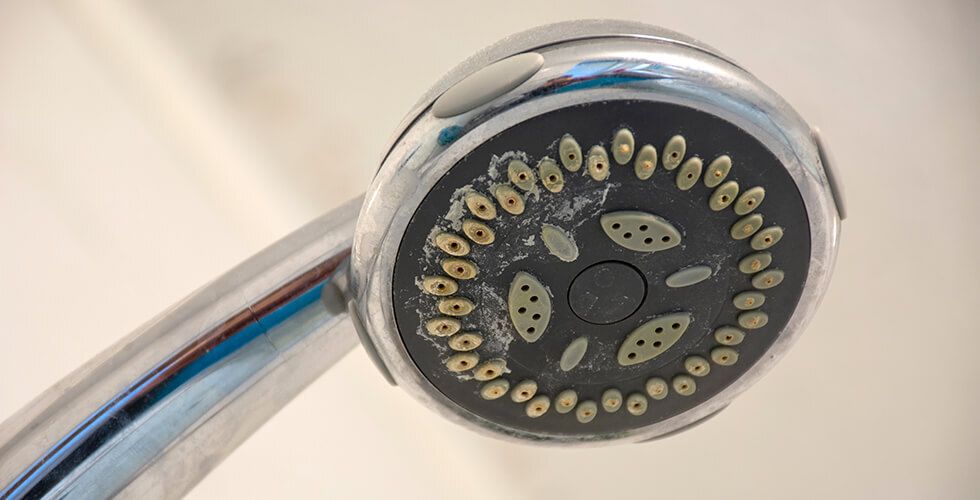
Another culprit: the underside of shampoo bottles and soap dishes. These spots trap water, allowing mildew to form underneath. Showerheads, especially those that are rarely cleaned, can harbor mold inside the nozzles, which means you may be showering with contaminated water.
Your exhaust fan is also a sneaky source of mold. Dust mixed with humidity can create a buildup inside the fan housing, reducing its efficiency and allowing moisture to linger in the air for longer, which encourages more mold growth.
Don’t overlook your bath mats, towels, and shower curtains, either. If they stay damp too long, they become breeding grounds for mildew and bacteria.
Why does it matter? Mold and mildew don’t just stain and smell; they release spores that can irritate allergies, trigger asthma attacks, and even cause respiratory infections over time. Certain types of mold, such as black mold, can be particularly hazardous if left unaddressed.
To fight back, inspect hidden spots regularly, keep your bathroom well-ventilated, wash fabrics often, and dry wet areas thoroughly. A little extra vigilance helps keep your bathroom truly clean — and your air healthy to breathe.