
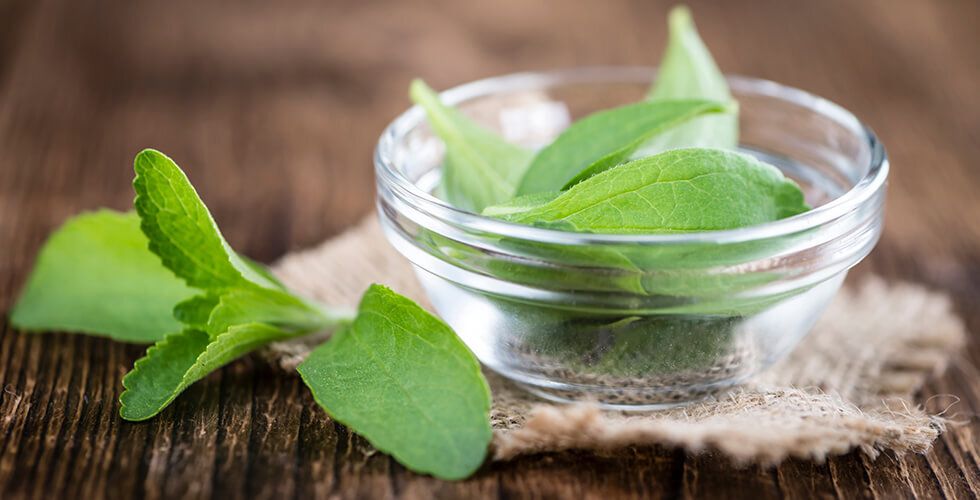
Stevia isn’t just a trendy sugar substitute—it may also have cancer-fighting properties.
In a new study from Hiroshima University, scientists discovered that when stevia leaves are fermented with a bacterium found on banana leaves (Lactobacillus plantarum SN13T), the resulting extract hits pancreatic cancer cells hard, without harming healthy ones. This is big news, especially considering pancreatic cancer’s low five-year survival rate of under 10%.
Researchers compared fermented stevia (FSLE) to the regular, unfermented version. The fermented version didn’t just slow cancer—it disrupted it at the cellular level. Cancer cells lost their structure, stopped multiplying, and in many cases, self-destructed. Meanwhile, healthy kidney cells remained largely untouched.
The secret may lie in fermentation. This microbial makeover enhanced stevia’s antioxidant power and produced a potent new compound: chlorogenic acid methyl ester (CAME). It’s not found in raw stevia, but shows up in abundance after fermentation. CAME was even more effective at killing cancer cells than its precursor—and it worked by triggering apoptosis, or programmed cell death.
Even more promising? CAME influenced gene activity. It boosted tumor-suppressing genes while silencing ones that keep cancer cells alive and mobile.
Next up: mouse trials to test FSLE’s effects in a living body. If the results hold, this could open the door for stevia-based, probiotic-powered cancer therapies—natural, targeted, and safe for healthy cells.
For now, it’s an exciting reminder: sometimes the sweetest solutions grow in the garden. With proper fermentation, stevia could become much more than a calorie-free sweetener.
