
The “trad wife” — short for “traditional wife” — is a social media phenomenon that’s sparking both fascination and debate. In an era dominated by hustle culture, career ambition, and constant digital noise, some women are choosing a very different path: stepping away from the corporate ladder to focus on homemaking, child-rearing, and supporting their husbands in traditional family roles.
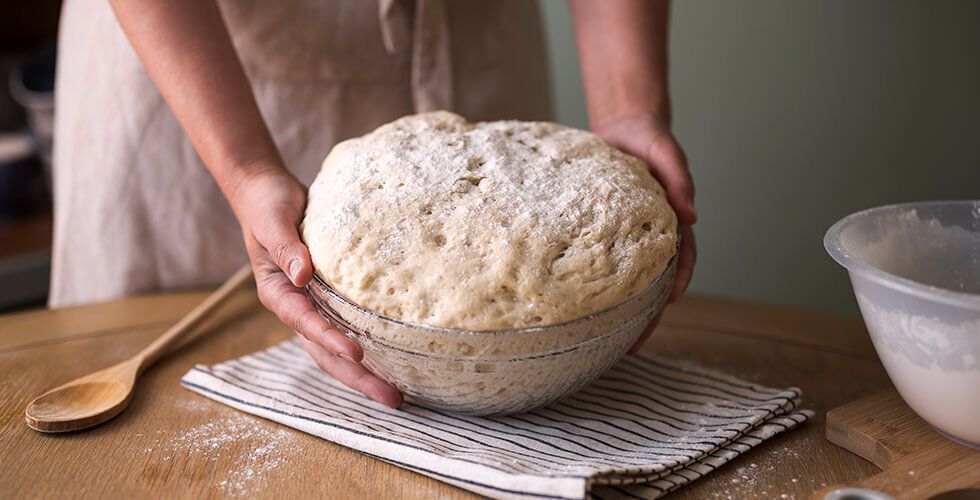
The movement, which has gained momentum on platforms like Instagram, TikTok, and YouTube, often romanticizes domestic life. Influencers post curated snapshots of baking bread from scratch, tending gardens, wearing vintage dresses, and maintaining orderly, cozy homes. For some, it’s a reaction to the pressures of modern life — a desire for slower rhythms, clear family roles, and a return to skills and values they believe have been lost.
Supporters see the trad wife lifestyle as empowering in its own right, offering freedom from 9-to-5 schedules, workplace stress, and the high cost of childcare. They view homemaking not as a lesser role, but as meaningful work that supports family stability and fosters a nurturing environment. Many also connect it to faith, cultural heritage, or personal convictions about gender roles.
Critics, however, argue that the trad wife trend can romanticize a past that wasn’t equitable for all and risks reinforcing restrictive stereotypes. They warn that social media portrayals can be overly idealized, omitting the financial, emotional, and relational challenges that may come with depending on a single income or adhering to rigid roles.
Whether embraced as a personal choice or scrutinized as a social statement, the trad wife movement taps into a broader cultural conversation: what it means to live well, balance responsibilities, and define fulfillment in a rapidly changing world.
For its followers, it’s not about going backward — it’s about choosing a life they believe aligns with their deepest values.
