
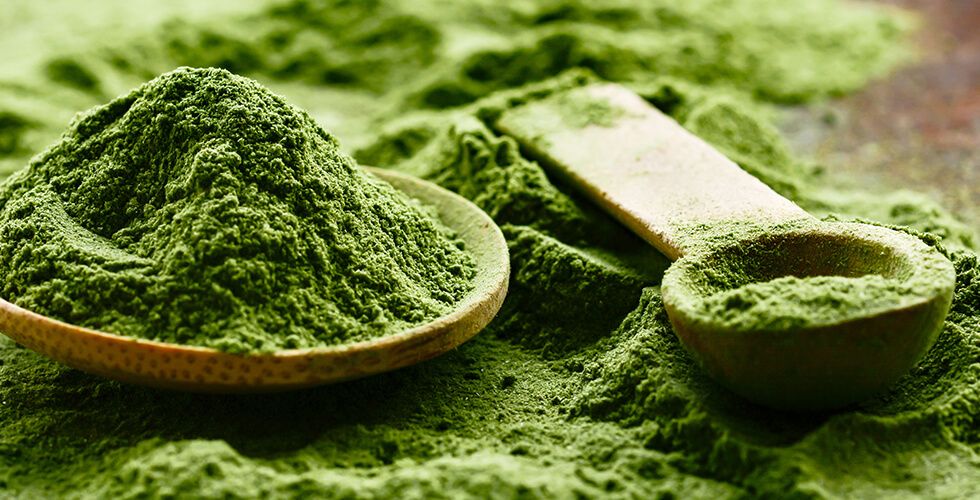
From the serene tea ceremonies of Japan to the smoothie bowls of Instagram, matcha has captured the world’s attention. This finely ground green tea powder—celebrated for its vibrant color, earthy flavor, and antioxidant punch—is now making headlines for another reason: its potential to help prevent cancer.
Dr. Sauarbh Sethi, a Harvard-trained gastroenterologist, calls matcha a “powerful source of antioxidants” that protects cells from damage. Rich in catechins—particularly epigallocatechin gallate (EGCG)—matcha may promote heart health, sharpen cognitive function, and exhibit anti-cancer properties. Research from the University of Salford suggests matcha can inhibit the growth of breast cancer stem cells and may even make chemotherapy more effective.
Matcha’s benefits extend beyond cancer research. A 2023 Japanese study found that matcha improved mental performance and reduced depression symptoms in stress-susceptible mice, possibly by boosting dopamine—the brain’s “feel-good” chemical. Other studies have linked it to weight management, cardiovascular health, and enhanced focus.
In 2014, scientists in Singapore discovered that EGCG could be paired with the cancer-fighting drug Herceptin to improve tumor targeting in mice. While promising, experts caution that these findings are preliminary. Dr. Suneel Kamath of the Cleveland Clinic urges more rigorous clinical trials before matcha can be recommended as a cancer-preventive therapy.
The science may still be developing, but the market has already exploded. Matcha sales in the U.S. have surpassed $10 billion over the past 25 years, with the global market valued at $4.3 billion. Part of the appeal? It offers a caffeine lift—38 to 89 mg per 8-ounce serving—without the jittery crash often linked to coffee.
Whether sipped in a latte, whisked in hot water, or blended into a smoothie, matcha delivers a rich history, a unique flavor, and a growing portfolio of potential health benefits—making it more than just a trend in your cup.
