
Leaking when you sneeze, painful sex, constipation, or feeling like your bladder never quite empties—these aren’t just random annoyances. They could be signs of pelvic floor dysfunction, a condition affecting 1 in 3 women at some point in life, according to pelvic floor physical therapist Sara Reardon, author of Floored: A Woman’s Guide to Pelvic Floor Health at Every Age and Stage.
The pelvic floor is a sling of muscles at the base of your pelvis that supports your bladder, bowels, and reproductive organs. When these muscles are too tight or too weak, you can end up with a long list of uncomfortable symptoms: urinary leakage, low back pain, weak orgasms, and painful intercourse.
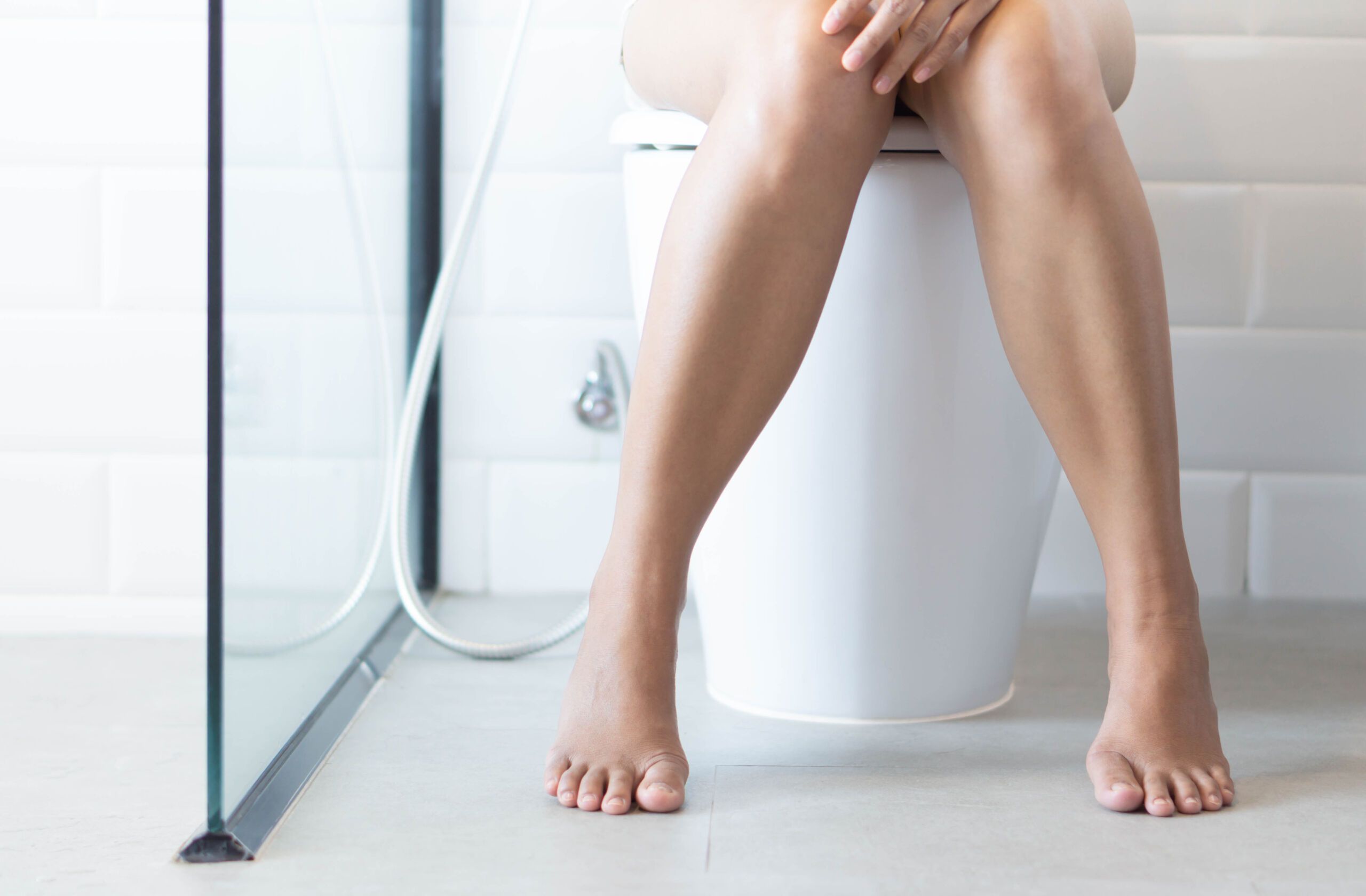
The surprising culprit behind many issues? Your bathroom habits. Reardon warns against “power peeing”—that rushed, forceful habit of pushing urine out instead of letting your bladder do the work. It strains the pelvic floor and weakens it over time. Instead, sit, breathe, and relax. No hovering over the toilet, no straining. The same applies to bowel movements: use a footstool to mimic a squatting position and let gravity assist you.
Tight pelvic floor? You might have trouble pooping, starting your pee stream, or inserting tampons. Stretching, deep breathing, and gentle yoga poses like child’s pose can help release tension.
Weak pelvic floor? Think of leaking during exercise, coughing, or a sensation of “heaviness” from pelvic organ prolapse. Strengthening moves like long-hold Kegels and engaging your core during movement (“Kegel before you cough!”) can help.
If you’re struggling, don’t guess—get evaluated. In all 50 states, you can see a pelvic floor physical therapist without a referral. Look for someone who offers hands-on assessments, listens without judgment, and equips you with tools to take charge of your pelvic health.