
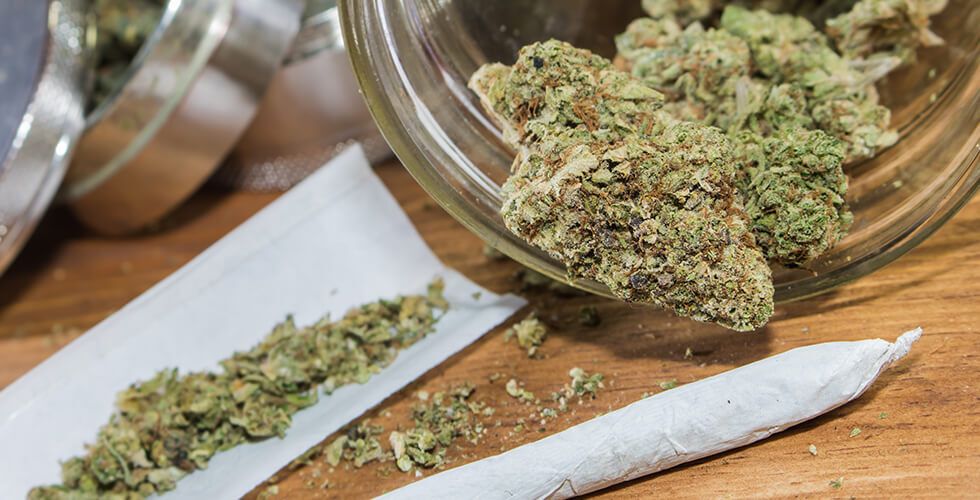
Cannabis is often marketed — and perceived — as a “safe” or “natural” alternative to other substances. But modern marijuana is not the same as the mellow, low-THC weed of decades past. Today’s products are far more potent, with THC concentrations that can be 3–5 times higher than what was common in the 1970s and 1980s. This surge in strength has quietly made cannabis more addictive than many users realize.
THC (tetrahydrocannabinol), the psychoactive compound in marijuana, stimulates the brain’s reward system in much the same way as other addictive substances. Over time, regular use can rewire brain pathways, making it harder to feel pleasure without it. This can lead to Cannabis Use Disorder (CUD) — a condition marked by cravings, withdrawal symptoms, and difficulty cutting back despite negative consequences.
Withdrawal isn’t always dramatic, but it’s real. Common symptoms include irritability, anxiety, insomnia, decreased appetite, and restlessness. For heavy daily users, these effects can appear within a day of stopping and may last for weeks.
The risk is even higher with today’s cannabis concentrates — oils, waxes, and vape cartridges — which can contain THC levels exceeding 80%. These deliver intense, fast-acting highs that may increase tolerance and dependence far more quickly than smoking traditional flower.
Younger users are especially vulnerable. Research shows that heavy cannabis use during adolescence can alter brain development, impair memory and learning, and increase the risk of long-term mental health issues, including depression and psychosis in predisposed individuals.
While not everyone who uses cannabis becomes addicted, the idea that marijuana is entirely harmless is outdated. Understanding its addictive potential — and moderating use — is key to protecting your mental health, especially in an era of ultra-potent products.