
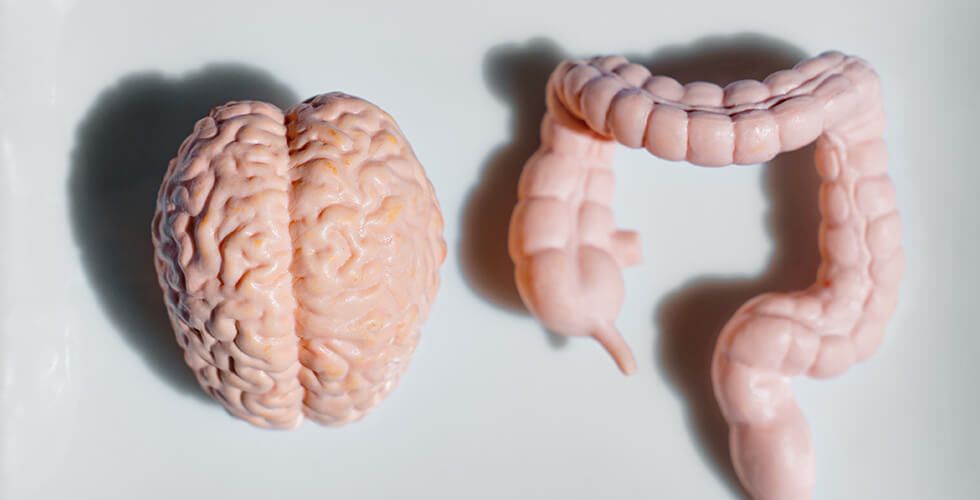
It turns out your gut might be smarter than you think—so smart, it can send real-time messages to your brain about when to stop eating. In a groundbreaking study from Duke University School of Medicine, researchers have discovered a “neurobiotic sense”—a direct line of communication between gut microbes and the brain that could reshape how we think about appetite, mood, and behavior.
At the center of this discovery are neuropods, microscopic sensory cells that line your colon. These cells aren’t just passive bystanders; they detect bacterial proteins—especially one called flagellin, a component of bacterial tails—and immediately alert your brain through the vagus nerve, the body’s gut-brain superhighway. The result? An appetite-suppressing signal that says, “We’re full.”
The key to this gut-brain chat is a receptor called TLR5. In experiments with mice, when researchers added flagellin to the colon, mice with functioning TLR5 ate less. But mice lacking TLR5 kept eating—and gained weight. This shows just how critical this pathway is to regulating hunger and potentially preventing overeating.
But the implications go far beyond diet. Scientists now believe this gut-brain loop could also influence emotions, stress, and mental health. The microbiome may be steering not just your cravings, but also your mood and decision-making.
“This is just the tip of the iceberg,” said Dr. Diego Bohórquez, lead neuroscientist behind the study. “If we can understand how microbes shape our brain in real time, we may unlock new therapies for obesity, anxiety, depression, and more.”
Bottom line: The next time you feel full, thank your gut. It might just be smarter than your brain.