
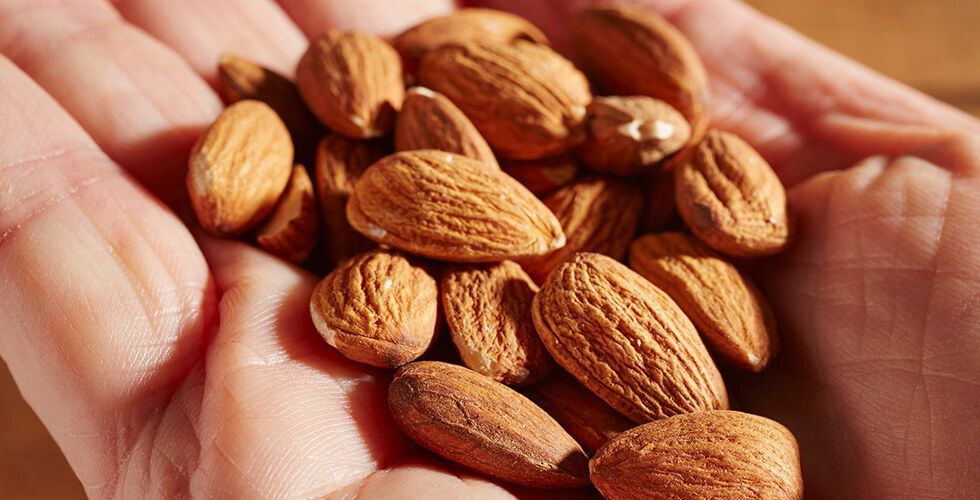
Almonds aren’t just a crunchy snack to curb mid-afternoon hunger—they may actually help protect your cells from damage. New research shows that eating about 60 grams of almonds daily—roughly two handfuls—can reduce oxidative stress and shield your DNA, offering powerful long-term health benefits.
Oxidative stress happens when free radicals, unstable molecules that damage cells, overwhelm the body’s defenses. Over time, this process contributes to aging, inflammation, and chronic diseases like heart disease and cancer. By curbing oxidative stress, you’re essentially slowing down the wear-and-tear at a cellular level.
This is where almonds shine. Rich in vitamin E, monounsaturated fats, and antioxidants, they act like natural bodyguards, neutralizing free radicals before they wreak havoc. The study suggests that this daily almond intake not only lowers oxidative stress markers but also helps preserve the integrity of your genetic material—meaning your DNA stays better protected.
The benefits don’t stop there. Almonds also support the immune system, promote heart health, and may even play a role in slowing visible signs of aging. Plus, they’re naturally satisfying, making them a smarter alternative to processed snacks loaded with sugar or refined carbs.
For an easy daily upgrade, swap your chips or cookies for a couple of handfuls of almonds. Enjoy them raw, lightly roasted, or sprinkled over salads, yogurt, or oatmeal. Just be mindful of portion size—while healthy, almonds are calorie-dense, so about 2 ounces a day is the sweet spot.
Bottom line: almonds aren’t just a snack, they’re a science-backed cellular shield. Adding them to your daily routine could be one of the simplest, tastiest steps you take toward long-term health.
